Mitolyn Side Effects: What to Know From the Label
Short answer: Mitolyn is a one capsule a day weight supplement sold on a mitochondria story, and its label is unusually quiet about the thing that matters most for side effects: dose. All six active ingredients sit inside a single proprietary blend with no individual amounts listed, so nobody outside the company can say how much rhodiola or astaxanthin you are actually swallowing. What can be said from the label and from NIH sources is that the formula lists no stimulant ingredient, the official site carries a warning for people who are pregnant, nursing, taking medication or managing a condition, and rhodiola, the ingredient with the clearest NIH side effect list, can cause dizziness, headache and disturbed sleep. Here is the label, ingredient by ingredient.
Which Product This Is
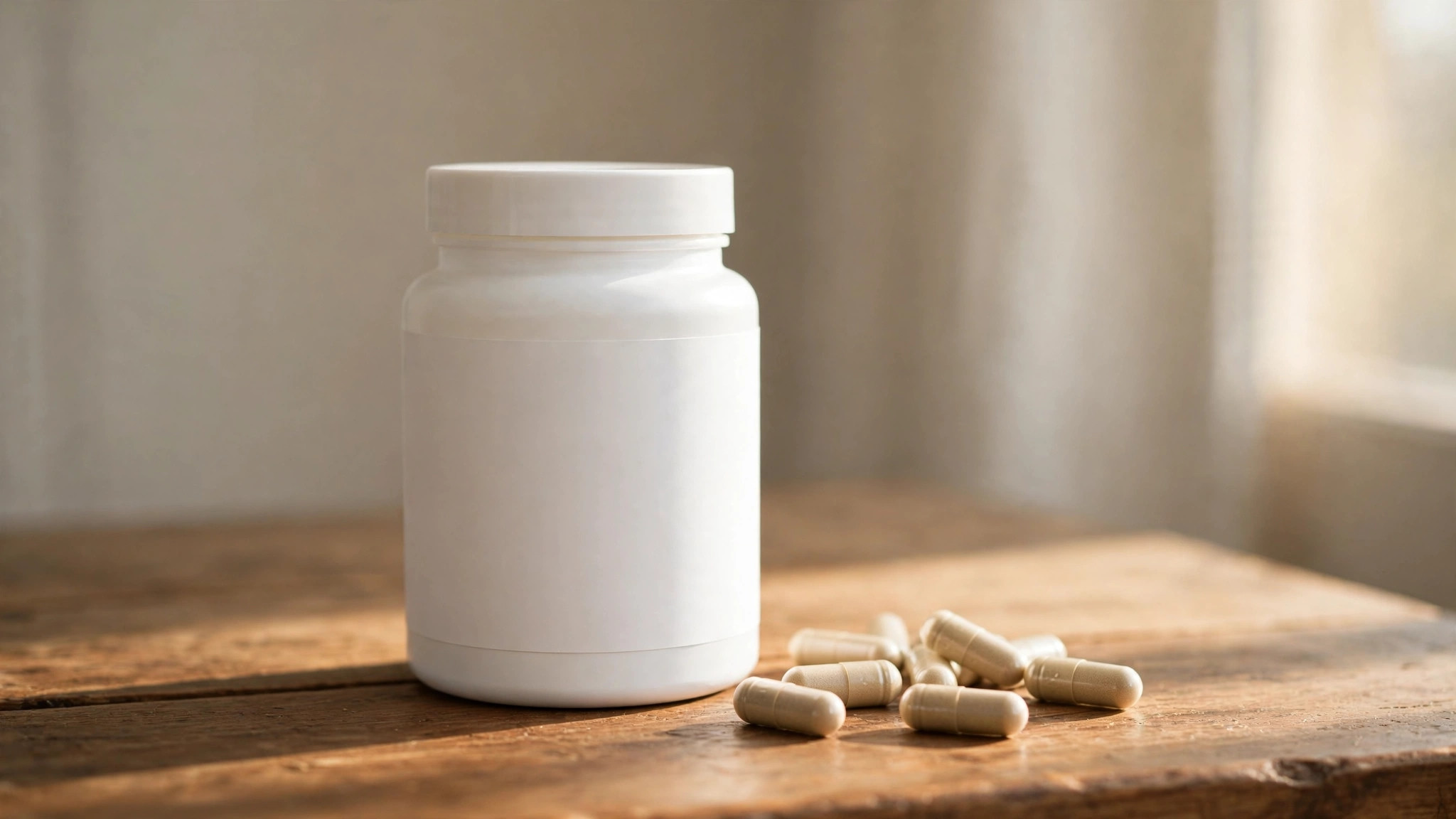
Mitolyn is a capsule, 30 to a bottle, taken once a day. The brand markets it as plant based and stimulant free, built around support for the mitochondria, the parts of your cells that produce energy. The six active ingredients named on the label are amla powder, astaxanthin from Haematococcus pluvialis algae, cocoa bean extract, Rhodiola rosea extract, schisandra powder and maqui berry extract. The label does give standardisation figures for three of them: the astaxanthin extract is standardised to 2%, the cocoa bean extract to 5% epicatechin, and the maqui berry extract to 36% anthocyanins. Those percentages describe the strength of each extract, not how much of it is in the capsule, and that distinction runs through everything below.
What Is Actually in the Capsule
The serving is one capsule. Instead of listing each ingredient with its own weight, the label groups all six into a proprietary blend. Supplement labelling rules allow this: the ingredients in a blend must be listed, but the amount of each one does not have to be. The practical result is that the best studied ingredient in the jar and the least studied one are equally invisible, and no side effect can be weighed against a dose.
| Ingredient | Amount per capsule | Possible side effects |
|---|---|---|
| Rhodiola rosea extract (root) | Not listed (proprietary blend) | Dizziness, headache, insomnia, and dry mouth or excess saliva, per the NIH |
| Astaxanthin, from Haematococcus pluvialis | Not listed; extract standardised to 2% | Little reliable safety data at an undisclosed dose; no established side effect list in NIH sources |
| Cocoa bean extract | Not listed; standardised to 5% epicatechin | Safety data for the extract is thin, and with no dose disclosed its effects cannot be judged against research |
| Amla powder (fruit) | Not listed | A food fruit in powder form; safety data at supplement doses is limited |
| Schisandra powder (fruit) | Not listed | A traditionally used berry; reliable side effect data at supplement doses is limited |
| Maqui berry extract | Not listed; standardised to 36% anthocyanins | A berry extract; safety data at undisclosed doses is limited |
The Missing Numbers Are the Real Finding
It is tempting to call a stimulant free plant formula gentle, and it may well be. The honest problem is that gentle cannot be checked. The NIH Office of Dietary Supplements notes that weight loss supplements can have harmful side effects, that many contain ingredients which have not been tested in combination with one another, that their combined effects are unknown, and that the FDA does not approve supplements for safety before they are sold. A proprietary blend adds a second layer on top of that: even single ingredient research cannot be applied, because research uses stated doses and this label states none. If a future label lists the amounts, this section can be rewritten with real numbers. Until then, the blend itself is the finding.
The Rhodiola Cautions
Rhodiola is the one Mitolyn ingredient with a proper NIH safety page. The National Center for Complementary and Integrative Health describes rhodiola as possibly safe for up to 12 weeks, with side effects that may include dizziness, headache, insomnia and either dry mouth or excessive saliva production. It also reports an interaction between rhodiola and losartan, a widely used blood pressure medicine, and says little is known about whether rhodiola is safe during pregnancy or while breastfeeding. None of this means a Mitolyn capsule will do any of it: the dose is unknown and may be small. It does mean that if your sleep worsens or you start feeling dizzy after beginning a rhodiola product, the herb is a reasonable first suspect, and that anyone taking losartan should mention rhodiola to their doctor rather than discover the interaction by accident.
Who Should Skip It, or Ask First
The official Mitolyn site prints its own warning, and it is worth taking at face value: if you are pregnant, nursing, taking medication, or have a medical condition, consult your physician before using the product. The NIH material adds three groups. People taking blood pressure medication should ask first, because of the reported rhodiola and losartan interaction. People whose sleep is already fragile should be cautious, because insomnia is on rhodiola’s side effect list. And anyone who is pregnant or breastfeeding should treat the honest position as what it is: safety here is simply not known. If you take regular medication of any kind, a pharmacist can check a six ingredient list in minutes. If you want the wider picture on products like this, our guide to whether weight loss gummies are safe covers the checks that matter.
How to Take It With Fewer Problems
Follow the label: one capsule a day, and do not treat more as better, since the amounts are undisclosed anyway. If you notice your sleep lightening, try taking the capsule in the morning rather than later in the day, and see whether the pattern follows the capsule. Do not stack Mitolyn with other rhodiola or adaptogen products, because the doses add up invisibly. Keep a simple note of anything new during the first two weeks, dizziness, headaches, sleep changes, so you are judging evidence rather than memory. And set your stop rules in advance: a severe rash, swelling, palpitations or any reaction that frightens you means stop and get advice, not push through.
A quick note: this article is general information drawn from the product label and public health sources, not medical advice. If you take regular medication or have a health condition, your doctor or pharmacist is the right person to ask about any supplement.
Related reading: Keto Gummies: Do They Really Work for Weight Loss? · Weight Loss Gummies Side Effects: What to Know Before You Take Them · Are Weight Loss Gummies Safe? What to Check Before You Buy · Puravive Side Effects: What to Know From the Label
Frequently Asked Questions
Does Mitolyn contain caffeine or stimulants?
No stimulant ingredient appears on the label, no caffeine amount is listed, and the brand markets the formula as stimulant free. If a product like this disturbs your sleep anyway, rhodiola is the ingredient worth discussing, since the NIH lists insomnia among its possible side effects.
How much rhodiola is in each Mitolyn capsule?
Nobody outside the company knows. Rhodiola is one of six ingredients inside a proprietary blend, and the label gives no individual amount for any of them. The label does state that some extracts are standardised, but a standardisation percentage is not a dose.
Can Mitolyn affect your sleep?
It might. The NIH lists insomnia among rhodiola’s possible side effects, along with dizziness and headache. Because the dose in Mitolyn is undisclosed, treat new sleep problems in the first weeks as a signal to stop and reassess rather than something to push through.
Can I take Mitolyn with blood pressure medication?
Ask your doctor first. The NIH reports an interaction between rhodiola and losartan, a common blood pressure medicine, and the official Mitolyn site tells anyone taking medication to consult their physician before using the product.