Does Collagen Break a Fast? The Answer Depends on Your Goal
Collagen does technically break a strict fast, because it is protein. A typical scoop of collagen peptides has about 35 to 40 calories and about 9 to 10 g of protein, and any protein triggers a small insulin response and tells the body that food has arrived. But for most people fasting for weight loss, that small scoop is unlikely to undo the fast. The honest answer depends on your goal: for weight loss, collagen is a grey area most people can live with; for autophagy or a strict religious or medical fast, it counts as breaking the fast.
This post covers what is in a scoop of collagen, how it compares with other things people add to morning drinks, what changes for each fasting goal, and how to take it without giving up the benefits of the fast.
What Is in a Scoop of Collagen
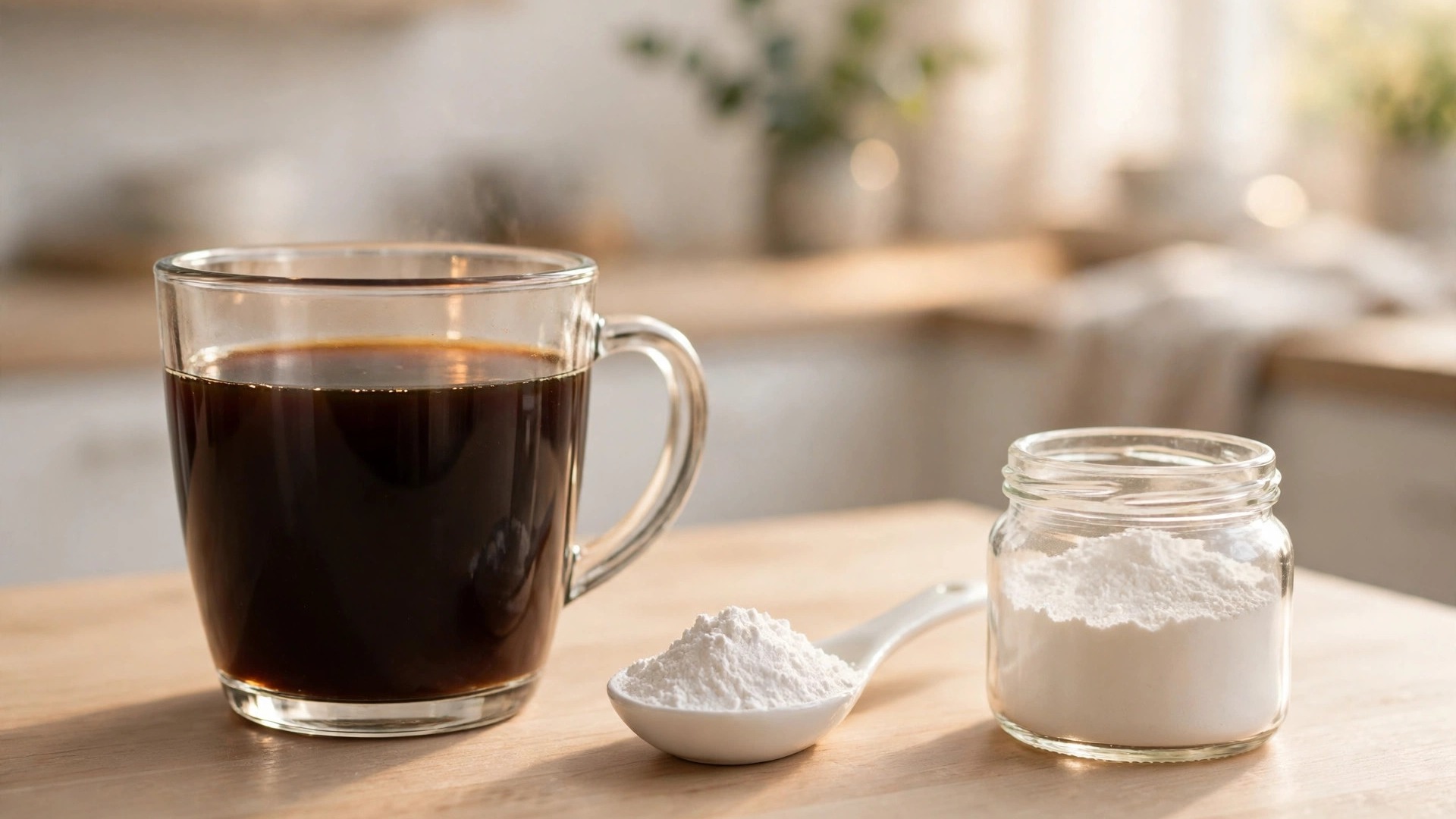
Collagen peptides are hydrolysed collagen protein, usually sold as a flavourless powder that dissolves in hot drinks. A standard serving is one scoop, about 10 g of powder, and the label on most brands reads about 35 to 40 calories, about 9 to 10 g of protein, 0 g of fat and 0 g of sugar. That is the whole story: there is no caffeine, no fibre and no hidden carbohydrate in plain unflavoured collagen.
The key point is that collagen is a complete protein source in the sense that matters for fasting. It is not a full protein for muscle building, because it is very low in the amino acid leucine, but the body still treats it as protein. Digesting it releases amino acids into the blood, and that release prompts a small rise in insulin. The rise is far smaller than the one from a meal, or even from a whey protein shake, but it is not zero.
Flavoured collagen is a different product. Many flavoured versions add sugar, maltodextrin or sweetened creamers, and those can add 5 to 15 g of carbs per scoop. If your collagen lists sugar or maltodextrin on the label, treat it as a small meal rather than a grey area, because it will break a fast by any measure.
How Collagen Compares With Other Morning Additions
The table below puts collagen next to the other things people commonly stir into a morning drink while fasting. The comparison shows why collagen sits in the middle: more than water or black coffee, far less than a real breakfast.
| Drink addition | Calories (about) | Protein (about) | Breaks a strict fast? |
|---|---|---|---|
| Black coffee or plain tea | 0 to 5 | 0 g | No |
| Collagen peptides, one scoop | 35 to 40 | 9 to 10 g | Yes, technically |
| Bone broth, one cup | 40 to 50 | about 9 g | Yes, technically |
| Protein powder, one scoop | 100 to 120 | 20 to 25 g | Yes, clearly |
| Cream in coffee, 2 tbsp | about 100 | 1 g | Yes, by calories |
| A full breakfast | 300 or more | 15 g or more | Yes, obviously |
Black coffee, plain tea and water are the only additions that keep a fast fully intact. Everything else adds calories or protein, and the question becomes how much it matters for your goal, not whether the fast is technically broken.
Bone broth is the closest comparison to collagen. It has a similar calorie and protein count, and people use it the same way, for comfort and electrolytes during longer fasts. Protein powder is a bigger step: at 20 to 25 g of protein it is a real dose of food, and most fasting guides treat a shake as a meal. Cream is different again: it is mostly fat, so it barely moves insulin, but at about 100 calories per two tablespoons it still breaks a fast by energy, even if it is kinder to blood sugar than sugar would be.
The Answer by Fasting Goal
This is where the simple yes or no falls apart, because fasting is not one thing. Three common goals give three different answers.
For weight loss, the fast is mostly about total calories and appetite. A 16:8 faster who takes collagen in morning coffee still eats far fewer calories across the day than they would with breakfast, and the 35 to 40 calories in the scoop are unlikely to change the outcome. Many people find collagen actually helps here, because the protein takes the edge off morning hunger and makes the fast easier to keep. If your goal is weight loss, collagen is a reasonable trade.
For autophagy, the answer is stricter. Autophagy is the cellular cleanup process that some longer fasts aim to trigger, and it is switched off by amino acids, including the ones in collagen. There is no agreed threshold, and no study has measured how much collagen it takes to stop autophagy in humans, so the cautious answer is that any protein pauses it. If autophagy is your main reason for fasting, take the collagen in your eating window instead.
For gut health and general wellness fasting, the answer sits in between. If you fast for digestion, blood sugar or habit, a small scoop of collagen is unlikely to undo those benefits, because the insulin rise is small and short lived. But if you fast to give your gut a complete rest, protein still asks the gut to work, so a plain fast without it is cleaner.
Religious and medical fasts have their own rules, and collagen counts as food under nearly all of them. Follow the rules of the fast you are keeping rather than the nutritional argument.
How to Take Collagen Without Losing the Fast
If you want the collagen and the fast, timing is the easiest fix. Take the scoop in your first meal or in the last drink before your eating window closes, instead of in the morning coffee. You still get the full serving every day, and the fast stays untouched.
If morning coffee with collagen is the habit you actually keep, and weight loss is the goal, there is a case for keeping it. A fast you can stick to beats a perfect fast you abandon by day three. Just keep it to one plain scoop, and do not add cream, sugar or a flavoured creamer on top, because those stack the calories fast.
Watch the label too. Choose unflavoured collagen peptides with one ingredient on the list. Flavoured versions with added sugar or maltodextrin turn a grey area into a clear break, and they cost more for the same collagen.
Finally, do not use collagen as a meal replacement during a fast. It has no fibre, almost no micronutrients, and only about 40 calories, so it will not keep you going the way a meal would. It is a supplement, not food, and treating it as food is what breaks the fast in the first place.
The Bottom Line
Collagen breaks a strict fast, because one scoop carries about 35 to 40 calories and about 9 to 10 g of protein, and protein triggers an insulin response. For weight loss, that small amount is unlikely to matter, and many people find it makes the fast easier to keep. For autophagy, or any fast where the rule is zero calories, it counts as breaking the fast, so take it in your eating window instead. The practical answer is simple: if the fast is about weight, a plain scoop in morning coffee is a trade most people can live with; if the fast is about a full metabolic reset, keep the collagen for mealtime.
Related reading: Does Lemon Water Break a Fast? and our free Fasting Timer.
Does Collagen Break a Fast? Frequently Asked Questions
Does collagen break a fast for weight loss?
Technically yes, because it has about 35 to 40 calories and about 9 to 10 g of protein per scoop. In practice, for weight loss, that small amount is unlikely to change the result, and it may help by reducing morning hunger. If the fast is working and the weight is moving, the collagen is probably not the problem.
Does collagen break a fast for autophagy?
Yes, by the cautious reading. Autophagy is switched off by amino acids, and collagen is protein, so it will pause the process. There is no proven safe amount, so if autophagy is your main goal, take collagen in your eating window.
Can I put collagen in coffee while fasting?
You can, and many people do, but it makes the fast a dirty fast rather than a clean one. The coffee itself is fine. The collagen adds about 35 to 40 calories and about 9 to 10 g of protein, so the fast is technically broken, even if the effect on weight loss is small.
Is bone broth or collagen better during a fast?
They are very similar: bone broth has about 40 to 50 calories and about 9 g of protein per cup, and collagen has about 35 to 40 calories and about 9 to 10 g of protein per scoop. Both technically break a strict fast. Bone broth adds salt and electrolytes, which can help on longer fasts, while collagen is easier to add to coffee.