Does Diet Soda Break a Fast? Calories, Sweeteners and Insulin Explained
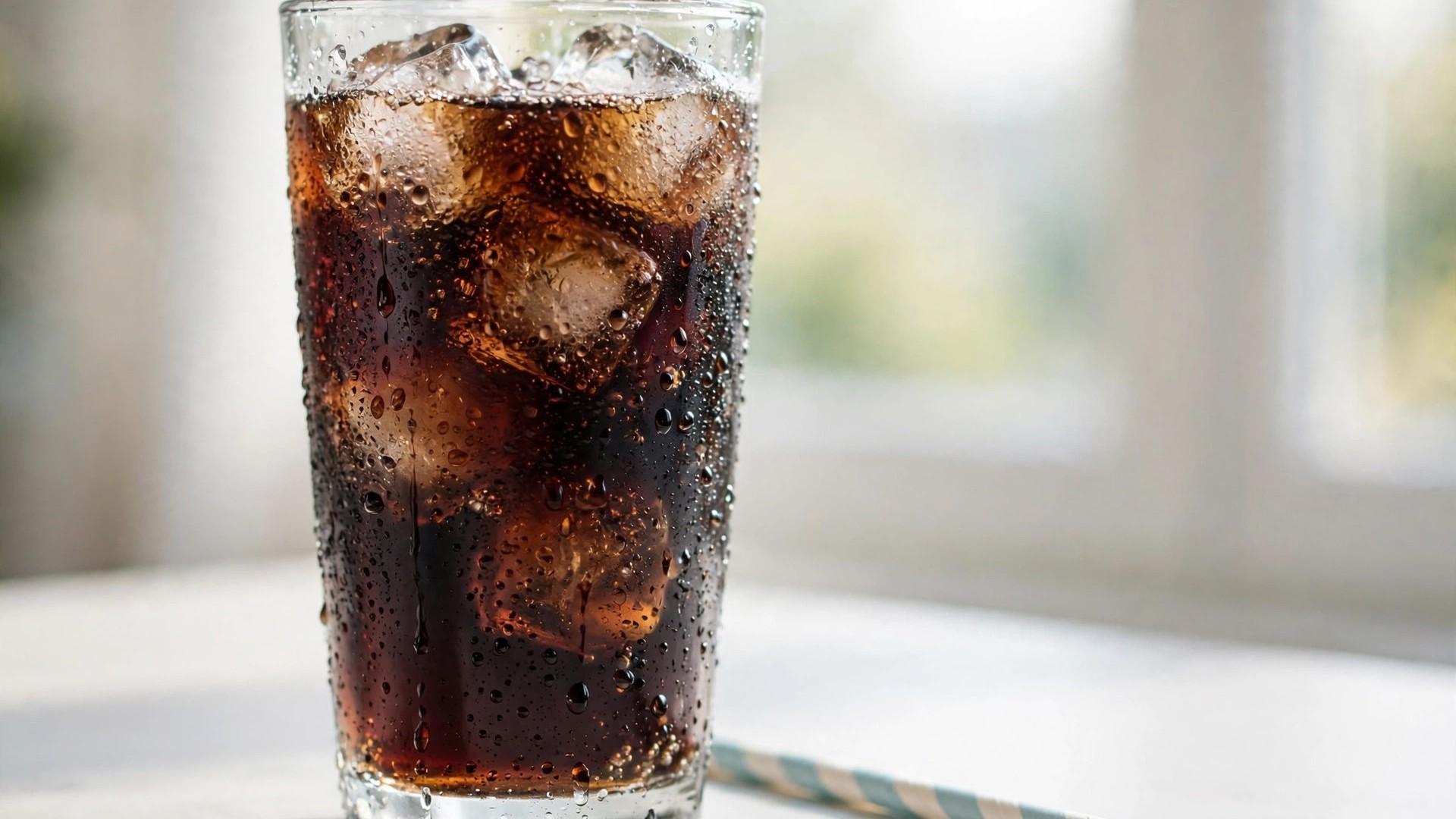
Short answer: diet soda does not break a fast if your fast is defined by calories — but it does break a strict “clean” fast. A can of diet soda contains roughly 0–5 calories and no sugar, so it will not meaningfully interrupt the fasted state for weight-loss purposes. However, it contains sweeteners, acids and flavourings, so anyone fasting with a “water, coffee and tea only” rule has broken their fast by drinking it. Which answer applies to you depends on your goal.
A quick note: fasting is not suitable for everyone. If you have a medical condition such as diabetes, are pregnant, or take medication that must be taken with food, talk to your doctor before fasting.
What Counts as Breaking a Fast?
Most fasting works on a simple principle: keep calorie intake at or near zero so the body stays in a fasted metabolic state, using stored energy and keeping insulin low. Practitioners often use a rough ceiling of around 50 calories as the point where a fast starts to be compromised — a guide, not a law of physiology.
By that standard, a single can of diet soda, at a few calories at most, does not come close. But calorie-counting is only one definition. “Clean fasting” approaches — popular in intermittent fasting communities — hold that anything sweet-tasting, flavoured or chemically complex ends the fast because it may provoke digestive or hormonal responses. Neither camp is wrong; they are answering slightly different questions. Decide which fast you are doing before deciding whether the soda is allowed.
Sweetener by Sweetener
“Diet soda” is not one ingredient. What is in your can depends on the brand, and the common sweeteners behave somewhat differently:
| Sweetener | Calories | Effect on blood sugar and insulin |
|---|---|---|
| Aspartame | Effectively none at soda levels | Does not raise blood glucose; studies generally find no meaningful insulin rise at normal intake. |
| Sucralose | None (not absorbed) | No consistent effect on blood sugar in most studies; a few suggest responses when consumed with carbohydrates. |
| Acesulfame K | None | Passes through largely unchanged; evidence of insulin effects at soda doses is weak. |
| Stevia | None | Does not raise blood glucose; some research suggests it may modestly blunt glucose responses. |
| Saccharin | None | Older sweetener; gut-microbiome findings are mixed and mostly from early-stage research. |
The pattern across the table is consistent: at the quantities found in a can of soda, these sweeteners deliver essentially no energy and no reliable glucose or insulin spike. That is why the calorie-based verdict on diet soda is a clear pass.
The Insulin Question, Answered Plainly
The most common objection is the cephalic phase response — the theory that sweet taste alone triggers insulin release in anticipation of sugar. This response exists, but the evidence from human studies suggests it is small, inconsistent, and for non-caloric sweeteners often undetectable. Where researchers do find effects, they are typically in artificial settings or when sweeteners are combined with actual carbohydrate.
There is an honest caveat: gut-microbiome research on sweeteners is young, and some studies suggest certain sweeteners may alter gut bacteria or glucose responses in some individuals. The findings are preliminary and contradictory, not a settled case against diet soda. The fair summary is that diet soda is very unlikely to undo the metabolic point of a fast for most people — but a strict faster chasing every possible advantage has a rational reason to skip it.
Hunger and Cravings: The Hidden Cost
The stronger practical argument against diet soda during a fast is not insulin — it is appetite. Some people find that intense sweetness without calories keeps their sweet tooth switched on and makes the remaining fasting hours harder, with cravings arriving sooner. Others find the opposite: a cold, fizzy, flavourful drink is exactly the treat that carries them through to their eating window.
Research on sweeteners and appetite is genuinely mixed, so this one is best settled by a personal experiment: if diet soda makes your fast feel harder, cut it; if it makes your fast sustainable, it is doing you a service. A fast you can repeat consistently outperforms a theoretically perfect fast you abandon.
The Verdict by Fasting Goal
- Fasting for weight loss: diet soda is acceptable in moderation. It will not meaningfully break your fast, and if it prevents snacking, it is net positive.
- Fasting for blood-sugar control: probably fine, but monitor your own response if you track glucose — individuals vary.
- Clean fasting / gut rest / autophagy-focused fasting: skip it. Sweeteners and acids stimulate taste and digestion, which is what these approaches aim to avoid. Water, black coffee and plain tea are the safe list.
- Religious fasts: rules differ by tradition and are not decided by calorie counts — follow your own practice.
One last consideration outside fasting altogether: diet soda is acidic and tough on tooth enamel if sipped constantly, and it keeps the habit of sweetness alive. As an occasional fasting companion it is fine; as an all-day habit, water still wins — fasting or not.
Related reading: Sodas Ranked by Sugar Content: How Sweet Is Too Sweet? · Can Drinking Only Soda Kill You?
Track It With Our Free Fasting Timer
Reading about fasting is one thing — running your own fast is another. Our free intermittent fasting timer tracks your fast in your browser: pick your schedule, tap start, and see exactly when your eating window opens.
Intermittent Fasting Timer
Pick your fast, tap start, and this timer tracks it for you, even if you close the page and come back.
Water, black coffee and plain tea do not break a fast for most people. Break your fast early if you feel unwell. This timer is a tracking aid, not medical advice.
Two other drinks fasters ask about constantly: does lemon water break a fast? and does apple cider vinegar break a fast? Both answers might surprise you.
Frequently Asked Questions
How many calories are in a can of diet soda?
Most diet sodas contain between 0 and 5 calories per can — effectively none compared with the roughly 140 calories in a regular soda. That is why they do not break a fast under any calorie-based definition.
Does diet soda stop autophagy?
Autophagy is mainly suppressed by protein and calorie intake, and diet soda provides essentially neither. However, because human autophagy is hard to measure and strict fasters aim to eliminate all possible interference, those fasting specifically for autophagy usually avoid it to be safe.
Can I drink diet soda during a 16:8 fast?
For weight-loss purposes, yes — one can will not meaningfully affect a 16:8 fast for most people. If you notice it increases your hunger or cravings during the fasting window, switch to water, sparkling water or black coffee instead.
Is sparkling water better than diet soda while fasting?
By every definition of fasting, yes: plain sparkling water has no sweeteners, no acids beyond mild carbonation and no calories, so it passes even a clean fast. It is the safest fizzy option, though diet soda remains acceptable for calorie-based fasting.