Caffeine Pills vs Coffee: Which Is Better for Energy?
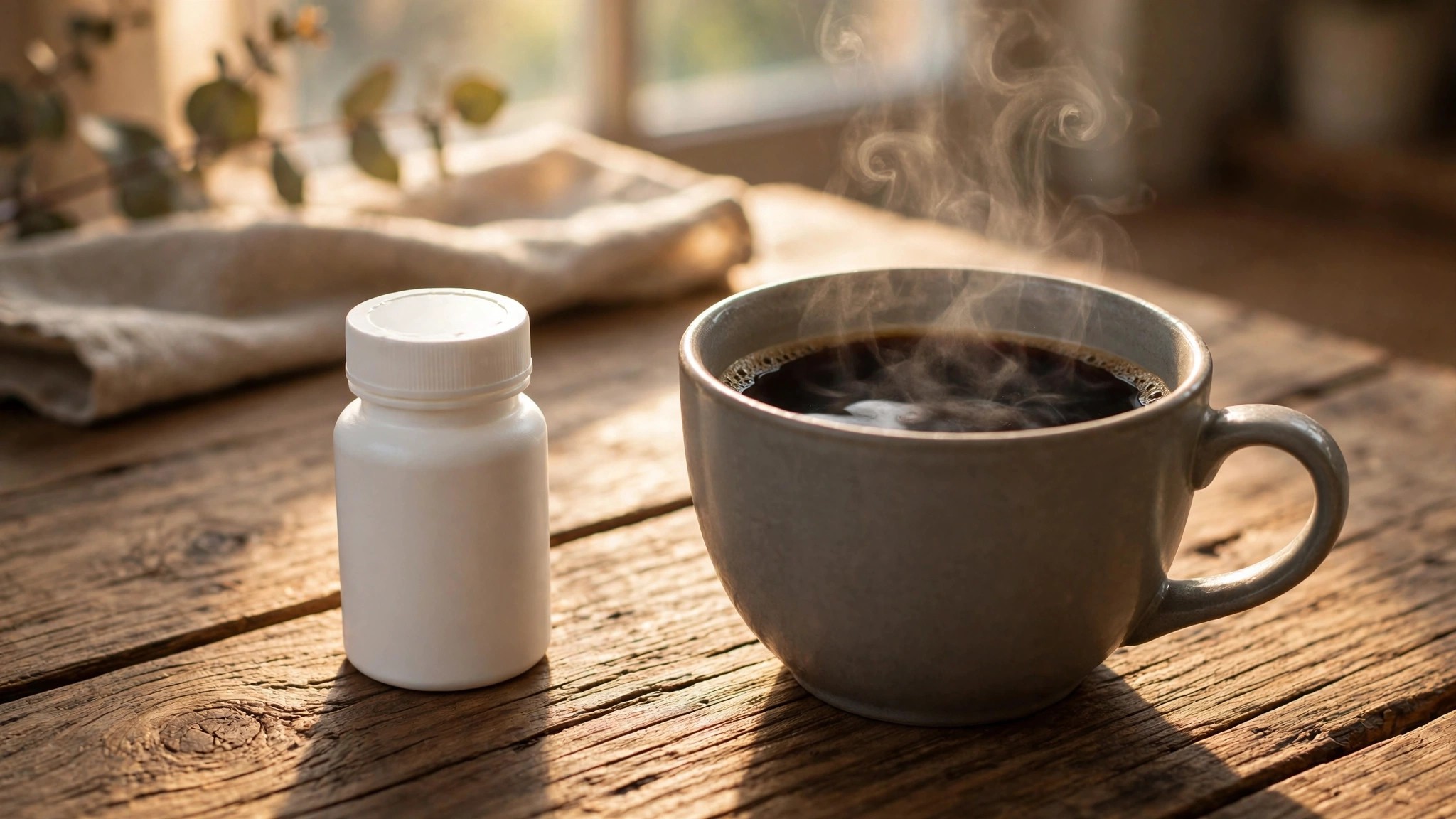
For pure energy per milligram of caffeine, a pill and a cup of coffee are the same drug in different packaging. A standard caffeine pill holds 200 mg of caffeine, about the same as two cups of brewed coffee, and it reaches your bloodstream on roughly the same schedule. The real differences are dose control, cost, what else comes with the caffeine, and how easy it is to overdo it. Coffee wins on enjoyment and on the extras that come with it. Pills win on precision and price. Which one is better depends on what you want the caffeine for.
If you drink coffee because you like it, keep drinking coffee. If you want an exact dose at an exact time, for a drive, a shift or a workout, a pill is the more practical tool. The mistake is treating a pill like a cup of coffee and taking one whenever you feel tired, because the dose is higher than most people realise and it is much easier to stack two pills than to drink four cups.
The Dose Difference
A caffeine pill usually contains 200 mg of caffeine, and some brands sell a 100 mg half dose. A typical 240 ml cup of brewed coffee holds about 95 mg, though the real figure moves between about 70 and 140 mg depending on the beans, the grind and how long it brews. A single shot of espresso is about 63 mg, a mug of instant coffee about 60 to 80 mg, and a cup of black tea about 47 mg.
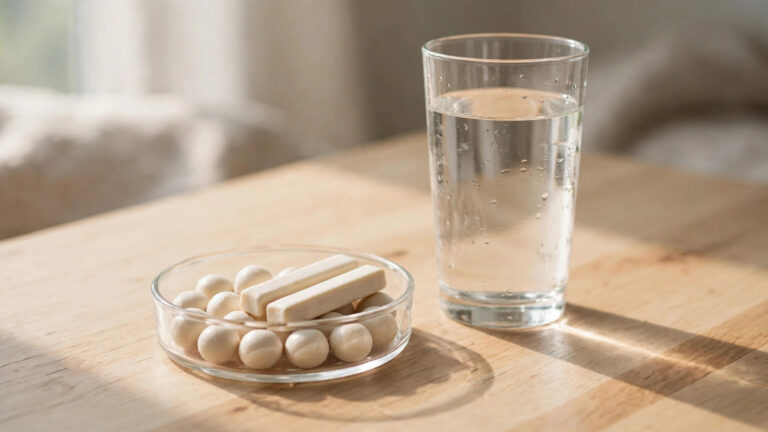
That means one standard pill is roughly two cups of coffee in a single swallow, with no volume, no heat and no taste to slow you down. The table below compares the common ways people take caffeine.
| Source | Caffeine per serving (about) | Onset (about) | Calories | Cost per dose (about) |
|---|---|---|---|---|
| Caffeine pill, standard | 200 mg | 15 to 45 minutes | 0 | A few cents |
| Caffeine pill, half dose | 100 mg | 15 to 45 minutes | 0 | A few cents |
| Brewed coffee, 240 ml cup | 95 mg | 15 to 45 minutes | 2 kcal black | 20 to 50 cents at home |
| Espresso, single shot | 63 mg | 15 to 45 minutes | 1 kcal | 50 cents to a few dollars |
| Instant coffee, 240 ml mug | 60 to 80 mg | 15 to 45 minutes | 2 kcal black | A few cents |
| Black tea, 240 ml cup | 47 mg | 15 to 45 minutes | 2 kcal | A few cents |
| Energy drink, 250 ml can | 80 mg | 15 to 45 minutes | 100 kcal or more | One to two dollars |
The onset is similar for pills and coffee, because the caffeine is the same molecule and your stomach absorbs it at the same speed either way. The peak usually arrives about 45 to 60 minutes after you take it, and the half life is about 5 hours, so half the caffeine is still in your system five hours later. A pill does not work faster than coffee. It just delivers a bigger dose in one go.
Cost: Pills Are Far Cheaper
On price there is no contest. A bottle of caffeine pills works out to a few cents per 200 mg dose, which is cheaper than almost any other way to get caffeine, including instant coffee. A cup of brewed coffee at home costs roughly 20 to 50 cents, and a cafe coffee costs several dollars for a similar amount of caffeine. An energy drink is the most expensive option of all, and it usually adds sugar or sweeteners you did not ask for.
The cheapness of pills is also their risk. When a dose costs almost nothing and takes no time to swallow, it is easy to take another one an hour later because the first has not kicked in yet. Coffee has a built in brake: you have to make it, drink it hot, and find the time. A pill has no brake at all, which is why people who switch to pills often end up taking more caffeine in a day than they ever did from coffee.
What Else Comes With the Caffeine
Coffee is more than a caffeine delivery system. A cup of black coffee contains small amounts of B vitamins, magnesium and potassium, and it is one of the largest sources of antioxidants in many people’s diets. It also contains chlorogenic acids, plant compounds that have been linked in observational studies with a lower risk of type 2 diabetes and liver disease. None of that makes coffee a health food, but it does mean a coffee habit brings things a pill never will.
A caffeine pill contains caffeine and almost nothing else, usually just a filler and a binder to hold the tablet together. Some branded energy pills add other ingredients, such as B vitamins or herbal extracts, and our review of one popular brand covers what those extras do and do not add. But the core of any caffeine pill is the caffeine alone, and the extras in branded pills are usually present in small amounts.
The other difference is the ritual. Coffee gives you a pause, a warm cup, a reason to sit down for five minutes. That pause is part of why people love it, and it is also a natural limit on how much you drink. A pill gives you none of that, which is fine if you want caffeine as a tool, and a loss if you want it as a break.
Jitters, Sleep and Tolerance
The side effects are the same for pills and coffee, because the active ingredient is identical. Too much caffeine can cause jitters, a racing heart, restlessness, stomach upset and anxiety, and it can wreck your sleep if you take it too late. Most health authorities put the safe daily ceiling for healthy adults at about 400 mg, which is two standard pills, or about four cups of brewed coffee.
Pills make it easier to cross that ceiling without noticing, because one pill is already half the daily limit and two pills use it up entirely. With coffee, four cups is a visible amount of drinking spread across a day. With pills, the same dose is two small tablets you could swallow in a minute. Anyone who switches from coffee to pills should start with a 100 mg half dose and see how it feels before taking a full 200 mg.
Sleep is where the timing matters most. Caffeine has a half life of about 5 hours, so a 200 mg pill taken at 4 in the afternoon still leaves about 100 mg in your system at 9 at night, and about 50 mg at 2 in the morning. A common rule is to stop caffeine 8 hours before bed, which means a pill taken after lunch is already pushing it. If your sleep is fragile, take your last dose before midday, whichever form it comes in.
Tolerance builds with either form. If you take 200 mg every morning, your body adapts within a week or two, and the same dose stops feeling like a boost. Coffee drinkers notice this as needing a second cup. Pill users notice it as the pill “not working”. The fix is the same in both cases: keep the dose steady, take a few days off now and then if you can, and do not keep raising it.
Which One Fits You?
Choose coffee if you enjoy the taste and the ritual, you want the antioxidants and plant compounds, you like a built in limit on how much you take, and you do not mind paying more per milligram. Choose a pill if you want an exact dose, you need caffeine at a time or place where coffee is impractical, you are watching calories and drink your coffee with sugar or cream, or you want the cheapest option available.
A few situations favour one side clearly. Drivers and shift workers who need a precise dose before a long stretch often prefer pills, because coffee is not always available at 3 in the morning. People who take caffeine before a workout often prefer pills too, because a full cup of hot coffee sits heavily on the stomach. People who struggle with anxiety, reflux or poor sleep should usually stick with coffee in small amounts, or cut back altogether, because the pill’s larger single dose hits harder and faster.
Never combine the two without counting. A pill plus two cups of coffee is 400 mg, your whole day’s ceiling, before lunch. And never take a caffeine pill as a substitute for sleep. It can mask tiredness for a few hours, but the sleep debt stays, and the crash when the caffeine wears off is worse than the tiredness you started with.
Related reading: People’s Choice Energy Pills: Do They Really Work? and How to Lose Weight With Black Coffee.
Timing is the other half of the pill question. Our guide How Long Do Caffeine Pills Last? Onset, Peak and the Sleep Cut-Off follows a 200 mg pill hour by hour, including the 8 hour sleep cut-off.
Caffeine Pills vs Coffee Frequently Asked Questions
Is a 200 mg caffeine pill the same as two cups of coffee?
Roughly, yes. A standard 200 mg pill holds about the same caffeine as two 240 ml cups of brewed coffee, which average about 95 mg each. The caffeine is the same molecule and the onset is similar, but the pill delivers it all at once with no liquid, heat or taste to slow you down.
Are caffeine pills safe?
For most healthy adults, a 200 mg pill is within the widely used daily ceiling of about 400 mg, but the dose is high enough to cause jitters, a racing heart and poor sleep, especially if you also drink coffee. Pregnant women, people with heart conditions, and anyone taking medication that interacts with caffeine should ask a doctor first, and nobody should take pills to replace sleep.
Why are caffeine pills so much cheaper than coffee?
A pill is just caffeine plus a filler in a tablet, made in bulk, with no brewing, no milk, no cafe and no branding cost. A bottle of pills works out to a few cents per dose, while even home brewed coffee costs 20 to 50 cents a cup. The low price is also a risk, because it makes it easy to take more than you meant to.
Can I take a caffeine pill and drink coffee?
You can, but you must count the total. One pill plus two cups of coffee is about 400 mg, the usual daily ceiling for healthy adults, so that combination alone uses up your whole day. If you take a pill, treat it as two cups of coffee and plan the rest of your day around it.
Share this:

Follow HealthSabz on Facebook
Daily keto tips, recipes and healthy eating ideas, posted every day.
Follow HealthSabz