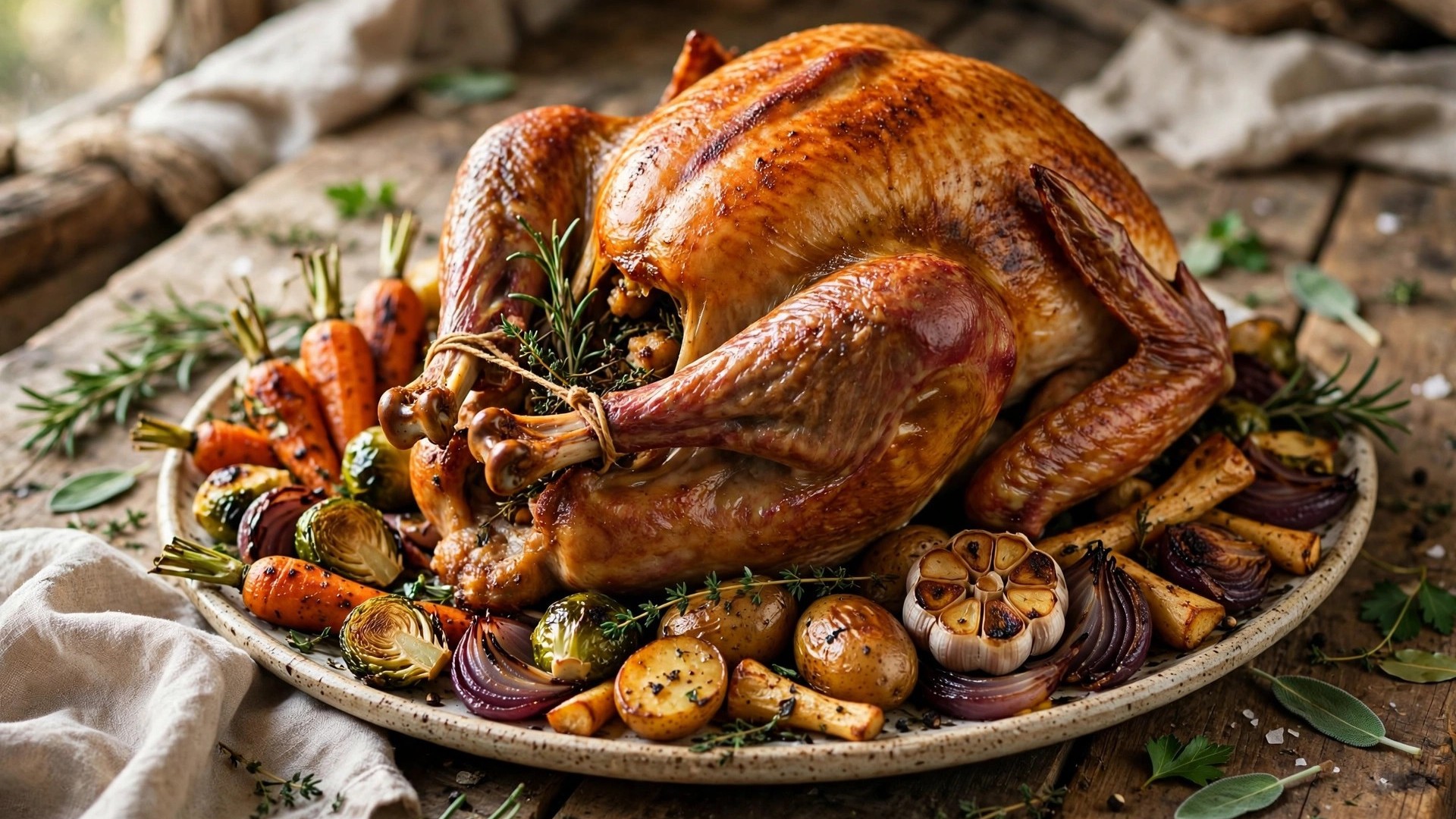
Is Turkey Good for Weight Loss? Protein, Calories and the Dark Meat Question
Yes, turkey is a good food for weight loss, and it is one of the easiest lean proteins to build a meal around. A skinless roasted turkey breast gives you about 31 grams of protein for about 165 calories per 100 grams, which is a protein to calorie ratio most foods cannot match. It keeps you full, it is easy to portion, and it fits almost any eating plan, from keto to low fat. The catch is not the turkey itself. It is the skin, the gravy, the stuffing and the second helping that usually travel with it.
The dark meat question has a simple answer too. Dark meat is a little higher in calories and fat than white meat, but it is still a lean protein, and the difference is small enough that it should not decide what you eat. If you prefer the leg, eat the leg. The part that matters far more is how much you eat and what sits next to it on the plate.
Turkey Nutrition by Cut
The table below uses USDA FoodData Central figures for roasted turkey, skinless unless stated, per 100 grams. Figures are rounded and marked “about” because the exact numbers move a little with the bird and the cooking method.
| Cut, roasted | Calories (about) | Protein (about) | Fat (about) |
|---|---|---|---|
| Breast, skinless | 165 kcal | 31 g | 3.6 g |
| Breast, with skin | 190 kcal | 29 g | 7 g |
| Leg (dark meat), skinless | 180 kcal | 28 g | 7 g |
| Thigh (dark meat), skinless | 180 kcal | 28 g | 8 g |
| Wing, with skin | 200 kcal | 27 g | 10 g |
| Ground turkey, 93% lean, cooked | 180 kcal | 28 g | 7 g |
| Deli turkey slices | 100 kcal | 17 g | 2 g |
A normal serving is about 150 grams, roughly a palm and a half, which works out to about 250 calories and 45 grams of protein from skinless breast. That is a large share of most people’s daily protein in one modest plateful. Deli slices look lighter in the table, but they are usually eaten in thin portions and they carry far more salt, so they are not the better choice for a regular meal.
Why Protein Helps Weight Loss
Weight loss comes down to eating fewer calories than you burn, and protein makes that easier in three ways. First, it is the most filling of the three macronutrients, so a turkey based meal keeps hunger away longer than the same calories from bread or potatoes. Second, your body spends more energy digesting protein than it does digesting fat or carbohydrate, a small effect, but a real one. Third, eating enough protein while you lose weight helps you keep muscle, and muscle is what keeps your daily calorie burn from dropping as fast.
Turkey is useful here because it delivers a lot of protein per calorie. Compare it with other common proteins and the advantage is clear. Skinless chicken breast is almost identical, about 165 calories and 31 grams of protein per 100 grams. Lean beef sirloin is about 200 calories and 29 grams of protein. Pork loin is about 200 calories and 28 grams of protein. Salmon is about 200 calories and 25 grams of protein, with the extra calories coming from healthy fats. Turkey sits at the lean end of the group, and it is usually cheaper than salmon and easier to cook in bulk than steak.
None of this makes turkey a magic food. It is simply a protein that lets you eat a satisfying portion for relatively few calories, which is exactly what a weight loss meal needs to do.
Dark Meat vs White Meat: Does It Matter?
Dark meat comes from the legs and thighs, the muscles the bird actually uses, so it carries more fat and a little more iron and zinc than the breast. Per 100 grams of skinless roasted meat, dark meat has about 15 more calories and about 3 more grams of fat than white meat, and about 3 grams less protein. That is the whole difference, and it is small.
The practical answer is to eat the cut you enjoy. If you love dark meat, the extra 15 calories per 100 grams will not change your week. What changes your week is the skin. Leaving the skin on adds roughly 25 to 30 calories per 100 grams and doubles the fat, and most people eat more than 100 grams at a sitting. If you want the flavour of roast skin, take a small piece and leave the rest, rather than eating the whole crisped skin from a leg.
Ground turkey deserves a warning of its own. A pack labelled 93% lean is close to dark meat in the table, but cheaper ground turkey can be 85% lean or less, which is closer to 250 calories per 100 grams once cooked. Always check the lean percentage on the pack, because “ground turkey” on its own tells you nothing about the fat.
Where a Turkey Meal Goes Wrong
Turkey rarely causes weight gain on its own. The meal around it does. A typical holiday plate shows how fast the numbers climb: a serving of turkey breast is about 250 calories, but a ladle of gravy adds about 50, a scoop of stuffing about 180, mashed potatoes with butter about 200, cranberry sauce about 100, and a slice of pie with cream about 350. The turkey is the lightest thing on that plate.
The same trap exists in everyday meals. A turkey sandwich on white bread with mayonnaise is about 450 calories, while the same turkey in a salad with a light dressing is about 300. A turkey wrap with cheese and ranch dressing can pass 600 calories before you notice. The bird is not the problem. The sauces, the bread and the cheese are.
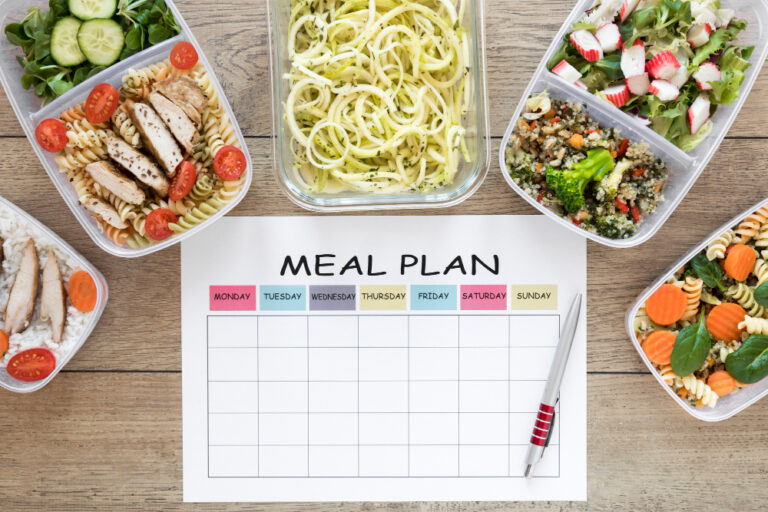
Leftovers are the other quiet trap. Turkey keeps well, which is a gift, but cold turkey with stuffing and gravy reheated as a late night snack is a second full meal. If you portion the leftovers into single serving boxes on the day you cook, with vegetables and salad in the box and the gravy in a small separate pot, the leftovers work for you instead of against you.
How to Eat Turkey for Weight Loss
Build the plate around the turkey and let the sides play a supporting role. Half the plate should be vegetables or salad, a quarter turkey, and a quarter a starchy side if you want one. Choose skinless breast when it is on offer, but do not stress about a leg. Skip the gravy or keep it to two tablespoons, and pick one starchy side rather than three.
For everyday eating, turkey is at its best in simple forms. Grilled turkey breast with roasted vegetables, turkey mince chilli with beans, turkey and vegetable soup, or sliced turkey over a big salad all keep the calories low and the protein high. A slow cooker turkey breast on a Sunday gives you lean protein for three or four days of lunches, and it costs far less per portion than buying sliced deli meat.
If you are counting calories, weigh the turkey for a week until your eye learns what 150 grams looks like. Most people overestimate a small portion and underestimate a large one, and turkey is no exception. Once you know the portion, you can stop weighing and trust the plate.
Related reading: Keto Christmas Side Dishes: 10 Low Carb Sides for the Holiday Table and Keto Christmas Grocery List: Everything in One Trip.
Is Turkey Good for Weight Loss Frequently Asked Questions
Is turkey better than chicken for weight loss?
They are almost identical. Skinless turkey breast and skinless chicken breast both give about 165 calories and 31 grams of protein per 100 grams, so pick whichever you like, whichever is cheaper, or whichever you have in the fridge. The cooking method and the sides matter far more than the bird.
Is dark meat turkey bad for weight loss?
No. Dark meat has about 15 more calories per 100 grams than white meat, which is a small difference. The skin is the bigger issue, because it adds roughly 25 to 30 calories per 100 grams and doubles the fat. Eat the leg if you prefer it, and leave most of the skin behind.
How much turkey should I eat in one meal?
About 150 grams of cooked turkey, roughly a palm and a half, gives about 45 grams of protein for about 250 calories from skinless breast. That suits most adults as a main meal portion. If you are smaller or your calorie target is low, 100 to 120 grams still gives a useful 30 grams of protein.
Does turkey help you feel full?
Yes, and this is its main advantage for weight loss. Protein is the most filling macronutrient, and turkey is one of the leanest ways to get a large amount of it. A turkey based meal with vegetables will usually keep you satisfied for hours, which makes it easier to avoid snacking between meals.
Share this:

Follow HealthSabz on Facebook
Daily keto tips, recipes and healthy eating ideas, posted every day.
Follow HealthSabz