Is Sparkling Water Bad for Your Teeth? What Dentists Say
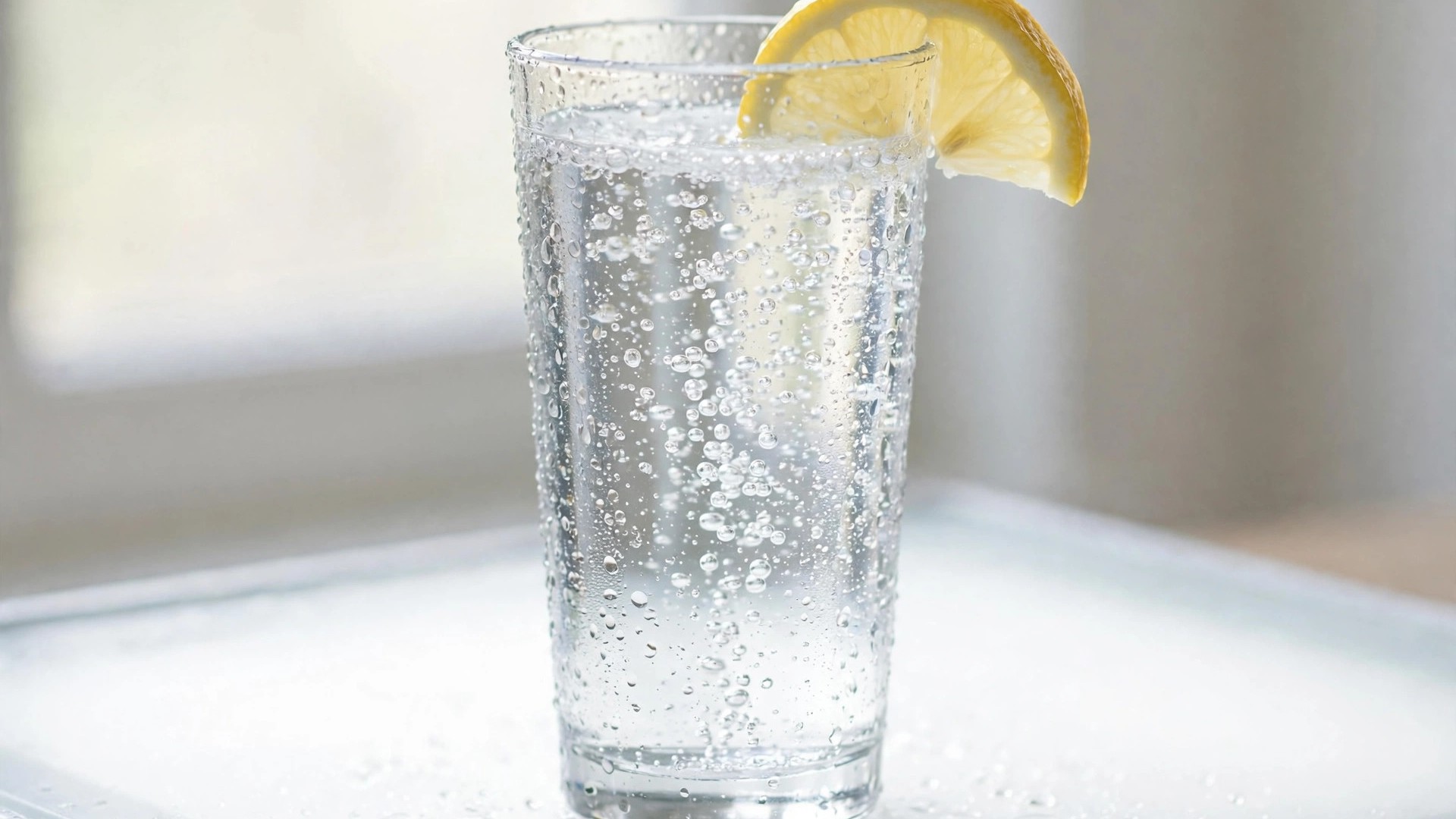
Short answer: plain sparkling water is not bad for your teeth in any meaningful way. It is mildly acidic — the carbon dioxide that makes it fizzy forms a weak acid in the water — but it is dramatically gentler than soda, juice or sports drinks, and dentists generally consider it a safe, tooth-friendly alternative to sugary drinks. The exceptions worth knowing about are flavoured sparkling waters with added citric acid, and the habit of sipping any fizzy drink slowly all day long.
Why People Worry: The Acidity Question
Tooth enamel starts to soften and dissolve at a pH of about 5.5 and below, in a process called erosion. The lower the pH of a drink, the more erosive it tends to be. Here is roughly where common drinks sit on that scale (lower numbers mean more acidic):
| Drink | Approximate pH |
|---|---|
| Cola | About 2.5 |
| Orange juice | About 3.5 |
| Sports drinks | About 3–3.5 |
| Flavoured sparkling water (with citric acid) | About 3–4.5, varies by brand |
| Plain sparkling water | About 5–6 |
| Still water | About 7 (neutral) |
Plain sparkling water sits just at or above the point where enamel softening begins, while cola is around a hundred times more acidic in practical terms. That gap is the whole story: sparkling water’s fizz comes from carbonic acid, which is weak, whereas sodas add phosphoric or citric acid on top of carbonation, plus sugar that feeds the bacteria behind tooth decay.
What Dentists Actually Say
Dental guidance on plain sparkling water is reassuring. The main concern with acidic drinks is erosion, and laboratory research comparing drinks suggests that plain carbonated water’s erosive effect on enamel is very low — in one frequently cited comparison, sparkling waters showed only a fraction of the erosive potential of soft drinks. Dentists also point out what sparkling water does not contain: no sugar, so it does not feed decay-causing bacteria, and no calories.
Context matters too. For someone switching from several cans of soda a day to sparkling water, the dental benefit is large and immediate. Dentists are far more concerned about soda, sweet tea, energy drinks and frequent juice than about fizzy water. Where they do add caution is around flavoured sparkling waters and around how you drink, not whether you drink.
Flavoured Sparkling Water: The Real Catch
Many flavoured sparkling waters and “sparkling water beverages” are acidified with citric acid to make the fruit flavour taste bright and sharp. Citric acid is considerably more erosive than carbonic acid, and it can pull some products down into the pH 3–4.5 range — closer to juice than to plain fizzy water. Some also add sweeteners, and a few add sugar outright, at which point the drink is effectively a soft drink wearing a health halo.
A quick label check protects you: if the ingredients list citric acid near the top, or any form of sugar, treat that drink as an occasional one rather than your all-day water replacement. Products whose only ingredients are carbonated water and natural flavours are the safer everyday choice.
Five Habits That Protect Your Enamel
Whatever fizzy drink you enjoy, these simple habits reduce acid contact with your teeth:
- Drink it with meals. Eating stimulates saliva, and saliva is your mouth’s natural acid neutraliser and enamel repair system.
- Do not sip it all day. Frequent small sips keep your teeth in a near-constant acidic environment. Finishing a glass in one sitting is kinder than nursing it for three hours.
- Rinse with still water afterwards. A quick swish of plain water clears residual acid and helps your mouth return to a neutral pH.
- Wait before brushing. Acid softens enamel temporarily, so wait at least 30 minutes after a fizzy drink before brushing, to avoid scrubbing softened enamel away.
- Use a straw for very acidic drinks. It will not eliminate contact, but it reduces how much liquid washes directly over your front teeth.
Sparkling Water vs Soda, for Your Teeth
Put side by side, it is not close. Soda attacks teeth three ways at once: strong added acids erode enamel, sugar feeds the bacteria that produce more acid, and frequent sipping keeps the assault going. Plain sparkling water has only the mild carbonic acid, no sugar and no added acids. As a stepping stone away from soda, it gives you the fizz and the ritual with a small fraction of the dental cost — which is why so many dentists actively suggest it to patients who are trying to quit sugary drinks.
The balanced verdict: drink plain sparkling water freely as your everyday fizzy drink, be label-aware with flavoured versions, and use the habits above. Your teeth will be far better off than they would be with soda, and roughly as well off as with still water for most people.
Related reading: Can Drinking Only Soda Kill You? · Sodas Ranked by Sugar Content: How Sweet Is Too Sweet?
Frequently Asked Questions
Is sparkling water as bad as soda for teeth?
No. Soda is far more damaging because it combines strong added acids with sugar. Plain sparkling water contains only weak carbonic acid and no sugar, and dentists generally regard it as a safe alternative.
Can sparkling water cause cavities?
Plain sparkling water does not cause cavities directly, because cavities are driven mainly by sugar feeding acid-producing bacteria, and sparkling water has no sugar. It can contribute slightly to enamel erosion if it is heavily flavoured with citric acid and sipped constantly, but that is a different and milder process.
Is flavoured sparkling water safe for teeth?
It depends on the ingredients. Versions made only with carbonated water and natural flavours are fine for most people. Those with citric acid high on the ingredients list are noticeably more acidic, so they are better kept occasional and drunk with meals.
How can I drink sparkling water and protect my enamel?
Drink it with food rather than sipping all day, rinse with still water afterwards, wait at least 30 minutes before brushing, and favour plain or naturally flavoured versions without citric acid or sugar.